




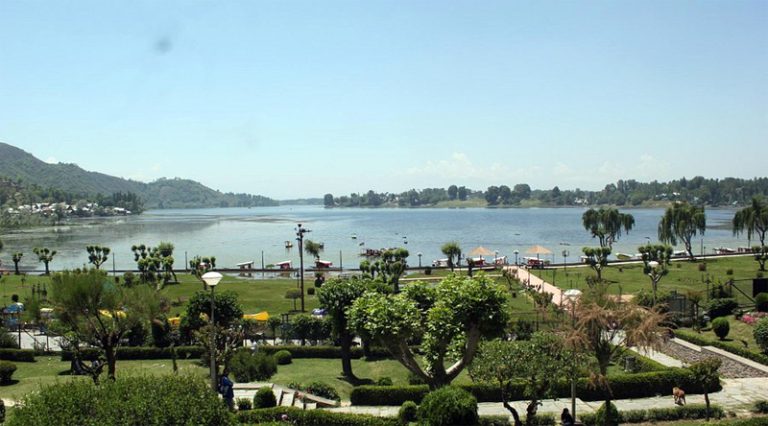
Secretary of the Union Ministry of Textiles, Neelam Shami Rao today inaugurated the country’s first-of-its-kind Seri-Eco Tourism project at the Central Silk Board’s Basic Seed Farm in district Ganderbal’s Manasbal.
The project, themed “Soil to Silk – A Journey into Heritage, Nature & Livelihood”, aims to transform the scenic mulberry farm into an immersive destination that offers visitors a complete experience of the silk value chain, while promoting sustainable development in the region.
The initiative connects visitors to every stage of the “Soil-to-Silk” journey-from mulberry cultivation and silkworm rearing to cocoon reeling and weaving.
Officials said the project is designed to showcase India’s silk heritage, generate rural employment, empower local women and youth, and create new livelihood opportunities.
During her interaction with scientists, artisans, and stakeholders, Rao congratulated the Central Silk Board team for developing Manasbal farm as India’s first seri-tourism hub.
She assured full support from the Ministry and encouraged local artisans to use the facility to showcase their craft for better economic returns.
She also underlined the role of women’s participation in strengthening the sector.
Rao was accompanied by a high-level delegation, including Joint Secretary, Ministry of Textiles, Padmini Singla; ADC, Handlooms, Ministry of Textiles, Swayamprava Pani; Director, Sericulture Development Department J&K, Ajaz Ahmad Bhat, Central Silk Board CEO and Member Secretary P. Sivakumar; and Central Wool Development Board Executive Director G.S. Bhati.
A unique feature of the Manasbal farm is the Temperate Mulberry Germplasm Bank, India’s only such repository that conserves 150 mulberry genotypes collected from 17 countries.
Officials said this makes the farm not just a tourism attraction but also a vital knowledge hub for research and biodiversity conservation.
The Ministry of Textiles envisions the project as a national model for developing scientific institutions into self-sustaining tourism hubs that promote education, heritage, and rural empowerment, officials said.